
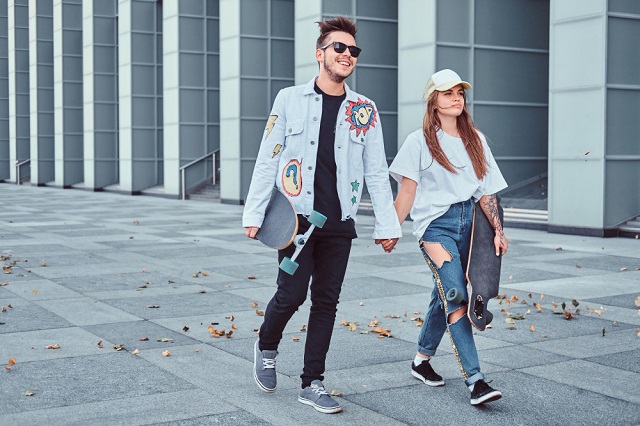
Fashion isn’t just what happens on the runway. Some of the most influential, exciting, and vibrant styles come from the streets — from people mixing heritage with modernity, casual with statement, high with low. Street fashion reflects culture, climate, economics, pop culture, history, and personal identity. Below, we travel around the world to examine key street style scenes, consider what makes them unique, and draw insights into what’s trending globally.
What is Street Fashion?
Street fashion refers to the styles worn by ordinary people, often spontaneously, on the streets. It arises from everyday life: what people find comfortable, what expresses who they are, what’s practical in a place, and what reflects or pushes against social norms. Unlike runway fashion, it evolves more fluidly, influenced by music, youth culture, subcultures, social media, climate, and global connectivity. It is often experimental, personal, and rich in layers of meaning.
Key Factors That Shape Street Fashion
Before we dive into specific cities, it helps to understand what shapes what people wear:
- Climate & Geography: Hot vs cold weather determines fabrics, layering, accessories.
- History & Culture: Traditional garments, local fabric industries, customs, symbolism.
- Subcultural & Youth Movements: Skate, hip-hop, punk, K‑pop, Afrobeat, etc.
- Economic Context: Access to global brands, vintage markets, fast fashion, craftsmanship.
- Technology & Social Media: How trends spread via Instagram, TikTok; how people draw inspiration.
- Identity & Diversity: Gender expression, local vs global identity, heritage.
With this in mind, let’s explore how street fashion manifests in different global cities and regions, and highlight some of the best looks — the ones that are both visually striking and culturally meaningful.
Global Street Style Highlights
Paris, France: Effortless Chic & Minimalism
Paris is almost the archetype of “effortless chic.” The fashion identity here tends toward:
- Neutral color palettes (black, white, beige, navy, grey) rather than neon or very loud colors.
- Clean tailoring: blazers, well‑cut coats, trench coats.
- Understated accessories: scarves, simple jewelry, high‑quality bags.
- Timeless basics mixed with smart accents. A crisp shirt, jeans, elegant boots or loafers.
What stands out is how Parisians appear naturally polished without looking overdone. The style often reflects refinement, understatement, and a certain restraint — elegance in simplicity.
There’s also the frequent pairing of classic pieces with something modern: skinny or straight‑cut jeans with a blazer, or mixing textures like wool coats with leather boots. The “less is more” aesthetic rules, but within that, quality, cut, and fit are everything.
Tokyo, Japan: Bold, Playful, and Experimental
Tokyo is one of the world’s wildest, most creative street style capitals. Neighborhoods like Harajuku, Shibuya, and Omotesando show:
- Mixing of eras: Japanese traditional (kimono, geta) with strongly modern streetwear.
- Bright colors, clashing patterns, inventive layering. Oversized silhouettes, unusual shapes.
- Subcultures: Lolita, Visual Kei, Harajuku youth fashion, decora — all pushing costume‑like, attention‑grabbing styles.
- A strong DIY ethos, vintage influences, accessories being key: hats, hairpieces, bold makeup.
Tokyo’s fashion is about expression, identity, standing out. It’s less about subtlety and more about fearless creativity.
Seoul, South Korea: Polished Street wear & Pop Culture Influence
Seoul’s street fashion is a powerful blend of East meets West, high polish meets casual comfort, and strong influence from K‑pop culture. Key features include:
- Trendy layering: oversized blazers, long coats, structured pieces mixed with streetwear.
- Graphic prints, bold patterns, vibrant colors — but often balanced with minimalist or neutral items.
- Sneakers are huge. Footwear often becomes statement pieces.
- Youthful, experimental touches: unusual silhouettes, unexpected combinations, sometimes gender‑blurring styles.
- Accessories matter: hats, jewelry, eyewear, masks, bags, etc.
Seoul shows how fashion adapts quickly; what’s popular in the West is absorbed and reinterpreted, but there’s a strong local flair.
London, UK: Eclectic Edge & Rebellion
London is full of contrasts, which is reflected in its street fashion:
- Punk, goth, rock heritage: leather jackets, boots, studs, punk graphics.
- Mixing high and low: vintage with designer, thrift with tailors.
- Prints and textures: checks (e.g. tartan), plaids, bold graphics, mixing fabrics.
- Edgy tailoring: deconstructed suits, gender mix, visible layering.
- Accessory‑centric: boots, hats, socks with heels, statement coats.
Londoners often seem to dress not just to look good, but to make a statement — socially, culturally, or identitarian. Individuality is prized.
Milan, Italy: Luxury & Tailoring
Milan’s reputation as a fashion capital is well earned; its street style combines elegance, craftsmanship, luxury, and flair:
- Precision tailoring: suits, structured coats, well‑cut trousers.
- Rich fabrics and attention to detail. Leather goods, designer accessories.
- Color use tends to be more strategic: accent pieces or color pops rather than full‑on flamboyance (though that does happen).
- Even casual looks often have a “dress up” element: polished shoes, fine materials, clean lines.
The Milanese approach is less about rebellion and more about refinement — how to look luxurious and put together with subtlety.
São Paulo & Brazil: Vibrancy, Print, Body & Cultural Fusion
Brazilian street fashion, especially in São Paulo and Rio de Janeiro, is shaped by climate, music, culture, and a celebration of life:
- Bold colors, loud prints, tropical motifs.
- Clothing that embraces the body: flowy dresses, shorts, sometimes minimal layers due to heat.
- Afro‑Brazilian influences: prints, natural hair, accessories.
- Mix of comfort and glamour: even casual daytime looks often have flair.
There’s a sensuality, a joy, and a vividness in how color, movement, texture are used. Streetwear trends mix with traditional and cultural elements.
Lagos, Nigeria (and West Africa): Bold, Bright & Entrepreneurial
Nigerian streetwear is on the rise globally, combining boldness, heritage, creative flair, and entrepreneurship:
- Vivid prints, vibrant colors, traditional fabrics (ankara, aso‑oke) blended with modern streetwear silhouettes.
- Statement accessories. Big earrings, head wraps, elaborate patterns.
- Streetwear brands are emerging locally and getting international attention.
- Youth culture, Afrobeats, social media play big roles.
There’s often a cross between traditional aesthetics and bold modern fashion; the outcome is powerful and distinct.
Sydney, Australia: Casual, Beachy, Relaxed Cool
Sydney street style reflects its climate, coastal culture, and outdoor lifestyle:
- Light fabrics, breathable materials. Linen, cotton, light knits.
- Casual fits: shorts, sundresses, relaxed silhouettes.
- Beach influences: sandals, straw hats, sunglasses.
- Pop of color, but often balanced with neutral or pastel tones.
Sydney has a laid‑back vibe; street looks often feel effortless, relaxed, yet stylish.
Other Notable Scenes
- Barcelona: Mediterranean aesthetic; comfortable, bright, relaxed with a flair. Maxi dresses, sneakers, light fabrics.
- Mumbai & Delhi, India: Strong blending of tradition and modernity. Bright colors, ornate details, saris or kurtas mixed with western pieces. There’s both streetwear and high fashion, especially among youth culture. Heritage fabrics, embroidery, colourful prints.
- Copenhagen & Scandinavia: Minimalism (though lately more color/patterns emerging), functional pieces, layering, quality outerwear, relaxed cuts. Sustainable fashion has a strong presence.
What Makes Certain Looks “The Best”
When we say “best” street fashion, we often are talking about looks that satisfy several criteria:
- Originality: something we haven’t seen before, or a unique twist.
- Cohesiveness: the look has balance — color, proportions, accessories work together.
- Cultural resonance: it tells a story — of place, identity, heritage.
- Wearability & adaptability: you could see how one might adapt parts of it to different contexts.
- Trend‑setting nuance: features that may not be everywhere yet but could become influential.
Street fashion that combines these tends to travel: get shared on social media, magazines, influence designers.
Trends That Emerge When Looking Globally
From observing and comparing street fashion across many cities, some common trends and shifts are visible:
1. Oversized Silhouettes & Layering
Across places like Seoul, Tokyo, London, and New York, oversized coats, baggy trousers, layering multiple pieces is in. It’s partly about comfort, partly about playing with proportions.
2. Mixing High & Low / Local & Global
Global brands with local handicrafts or traditional fabrics; high‑end with thrifted vintage; streetwear labels with couture pieces.
3. Prints & Patterns Are Making a Strong Comeback
From bold tropical prints in Brazil or Lagos, to checks and plaids in London or Copenhagen, to graphic prints in Seoul, people are leaning into patterns again.
4. Sustainability & Vintage / Upcycling
More people are mixing in secondhand clothing, vintage finds, remixed traditional wear. This is especially noticeable in more fashion‑aware youth in cities with strong environmental concerns.
5. Accessory as Statement
Accessories — hats, bags, shoes, eyewear, jewelry — are increasingly the way to inject personality. Statement footwear, unusual hats, or even masks (for style or function) are more visible.
6. Cultural & Identity Expression
Fashion as identity: gender expression, cultural heritage, subcultural affiliation, regional identity. What you wear is more openly seen as a form of self‑expression beyond just “looking good.”
Challenges & Critiques
Street fashion is powerful, but there are complications:
- Cultural appropriation: When fashion borrows from another culture without respect or awareness, especially by major brands without benefit to the origin culture.
- Fast fashion & sustainability: The spread of trends means more consumption; not all street fashion is environmentally friendly.
- Economic access: Not everyone has equal access to high‑quality or designer pieces, so fashion often divides by income. But this also spurs creative adaptation using thrift, DIY, and repurposed materials.
- Social pressures & conformity: Ironically, what starts as rebellion or individuality gets co‑opted into “trend,” which can pressure others to conform in different ways.
How to Draw Inspiration Globally Without Losing Your Authentic Self
As someone who wants to take the best from global street fashion and apply to your own style, here are some tips:
- Know Your Climate & Lifestyle: If it’s hot, layers won’t work; if you travel on public transport, bulky pieces may be impractical.
- Choose Elements, Not Whole Outfits: Maybe you like Tokyo’s bold prints, but Paris’ minimalism. Combine sounds: accent prints with neutral basics.
- Use What You Have: Vintage, thrift‑shops, local artisans can provide inspiration or real elements to mix in.
- Experiment With Accessories First: Sometimes just changing shoes, adding an accessory, changing proportions (e.g. belt, scarf) gives a lot of impact.
- Respect Culture: When borrowing from traditional or cultural styles, do it with understanding, appreciation, and respect.
The Future of Street Fashion: What’s Coming
Looking ahead, here are some trends likely to intensify or emerge:
- Digital / Virtual Fashion & Augmented Reality: As digital worlds grow, people will start blending virtual clothing with physical aesthetics. Digital fashion shows, virtual filters, etc.
- More Sustainable Materials & Circular Fashion: Upcycling, reusing, patchwork, local production will grow in importance.
- Gender Fluidity & Non‑Binary Fashion: Silhouettes that blur gender lines, democratic tailoring, more acceptance of breaking traditional norms in clothing.
- Tech + Functionality: Smart clothing, performance fabrics, clothing that works with climate changes.
- Local Identity Revival: In many places, wearing traditional fabrics, prints, or styles will become more popular, not just as costume but as daily wear, as people embrace local identity amid globalization.
Conclusion
Street fashion is one of the richest sources of inspiration in the fashion world. It is where creativity, culture, identity, and daily life intersect. From Parisian elegance to Tokyo’s experimental audacity, from Lagos’ vibrant fusion of tradition and modern streetwear to London’s rebellious edge, every city brings something unique to the table.
The “best” street fashion looks are those that tell stories — of place, of person, of culture — not just of clothes. They are the looks that surprise, that feel authentic, that respect where they’re from, and that have something you might want to adapt into your own wardrobe.